

Townsville venues set their own minimums for blackjack, baccarat, and roulette, and those numbers shift with the shift, the crowd, and the table capacity. You can walk past a quiet arvo session with a $5 minimum and a Friday arvo rush that pushes it to $25 or more. We’ve pulled together what operators in the region typically run, how the limits stack up against local pokies rules, and where the real trade-offs sit when you’re choosing a seat.
What the minimums actually look like across Townsville
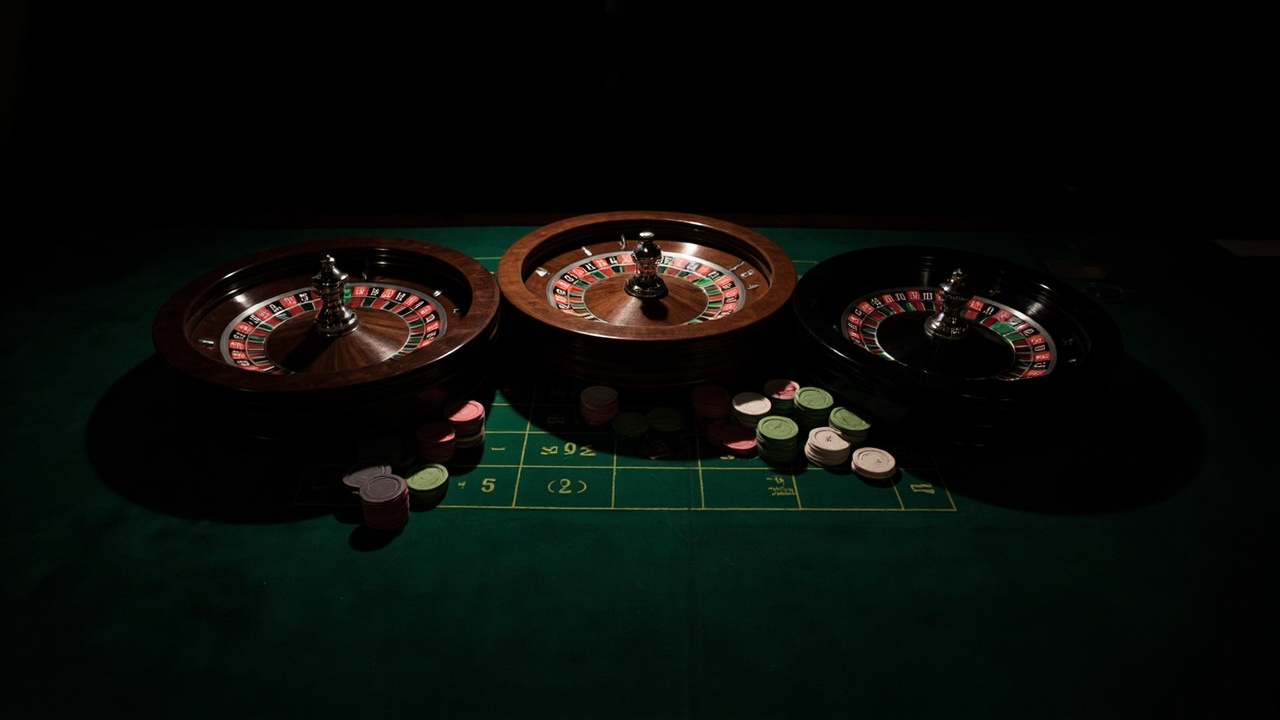
Most Townsville operators run blackjack and baccarat tables with minimums anywhere from $5 to $25 on a standard weekday session, then bump the figure when the floor gets busy or a high-limit pit opens. Roulette is usually the priciest seat at the table, with minimums often starting around $10 and climbing to $30 or $40 on peak nights, because the wheel takes more space and the dealer pace is slower. You’ll see the same pattern across the river in Brisbane, where downtown venues often post $10-$20 blackjack minimums on a quiet Tuesday and push to $30+ once the weekend crowd lands. The numbers aren’t arbitrary; they reflect table overhead, dealer wages, and the pace of play that keeps a session profitable for the house. If you’re comparing operators, the sensible read is that a lower minimum usually means a slower table or a later session, not a hidden bargain, and the higher minimums often come with better dealer attention and a quieter seat. We’ve seen community support queues spike after a long losing run precisely because players didn’t factor in how a $25 minimum stretches a bankroll across a five-hour arvo, so the figure you walk in with matters as much as the game you pick.
How the limits fit alongside pokies rules and local expectations
The table minimums sit in a different regulatory lane from pokies, and that’s where a lot of locals get crossed. The minimum return to player on NSW pokies is typically set around 85% or higher by regulation, which gives you a hard floor to compare across machines, but table games don’t carry the same published RTP figure because the house edge is baked into the rules, the dealer pace, and the bet structure rather than a machine program. From a support and community operations angle, that difference matters because we field the same question across iGaming and Web3 service tools: players expect a single number to judge fairness, but a blackjack table’s edge is shaped by rule variants, the number of decks, and whether the dealer hits soft 17, not by a fixed return percentage. Annika Walsh, Commercial Director, Gold Coast Gaming Network, puts it plainly: “Players often treat a low table minimum like a discount, when it’s really just a slower burn on the same edge, and the smart comparison is the rule set and the session length, not the dollar figure on the felt.” That’s the kind of judgement call we make when we triage support threads and build multilingual knowledge resources, because the same confusion shows up in betting apps and in live casino queues, and the fix is always the same: explain the mechanic, not just the minimum.
Where the real trade-offs sit when you pick a table
The trade-offs aren’t just about the minimum; they’re about how that minimum interacts with your bankroll, the dealer pace, and the session you actually want. A $5 blackjack table can look generous on paper, but if the pace is brisk and the rule set favours the house on soft hands, you can burn through a stack faster than a $20 table with a slower dealer and more favourable doubling rules. We’ve built AI-assisted service tools that flag exactly this kind of mismatch, because the support pattern is consistent: a player calls in confused about why a lower minimum didn’t stretch their session, and the answer is usually in the rule variants and the table speed rather than the bet size. Mia White, Head of Live Casino, Harbour Bet Insights, notes the same thing from the floor side: “A higher minimum doesn’t automatically mean a worse value seat; it often means a table with better rule variants and a dealer who can keep the pace steady, which is what actually protects a session.” If you’re weighing a Townsville venue against a Brisbane option, the practical read is to check the rule sheet, ask about the deck count, and match the minimum to the session length you’re comfortable with, rather than chasing the lowest number on the board.
One common misconception and why the reality is more nuanced
A lot of players assume the lowest minimum automatically gives them the longest session and the best value, and that’s the misconception worth clearing up. The reality is more nuanced because a low minimum on a fast, high-edge table can drain a bankroll quicker than a higher minimum on a slower table with friendlier rule variants, and the difference shows up in the session length rather than the bet size. From a community operations standpoint, we see the same pattern across betting and Web3 support queues: people chase the cheapest seat without checking the rule sheet, the deck count, or the dealer pace, and then wonder why the session didn’t stretch the way they expected. Annika Davies, Head of Live Casino, Blue Gum Gaming Council, sums up the nuance neatly: “The minimum is just the entry price; the real value is in the rule set, the table speed, and the session you’re actually planning, and those three things rarely line up with the cheapest number on the felt.” That’s the judgement call we make when we triage a confused player or build a multilingual help resource, because the fix is always to explain the mechanic and the session fit, not just the minimum.
If you’re weighing a Townsville floor against a Brisbane venue, the practical move is to check the rule variants, match the minimum to the session length you’re comfortable with, and treat the lowest number as a starting point rather than a value verdict. The same careful read applies if you’re comparing a physical table to a casoola casino online option, where the minimums and rule variants can sit in a different structure and the session pace is set by the software rather than the dealer. Either way, the smart comparison is the rule set, the pace, and the bankroll you’re willing to commit, not just the figure on the felt.
Glossary
- Minimum bet: the smallest wager accepted on a table for a single hand or spin.
- Rule variants: differences in how a game is dealt or paid, such as dealer hits soft 17 or the number of decks used. casoola casino online
- Table pace: the speed at which hands or spins are completed, which affects how quickly a bankroll is used.
- Session length: the planned duration of play, which shapes how a minimum bet translates into total exposure.