The Allure of Casino Layouts
The design of a casino is a meticulously crafted experience that aims to entice and engage visitors. From the moment a patron steps through the doors, they are enveloped in an environment specifically designed to stimulate their senses and encourage spending. The layout often features winding pathways, strategically placed gaming tables, and slot machines that create a labyrinthine feel, making it hard for guests to find their way out. This design choice is no accident; it’s rooted in psychological principles that keep players immersed in the experience, especially at Winningz online casino where the excitement never fades.
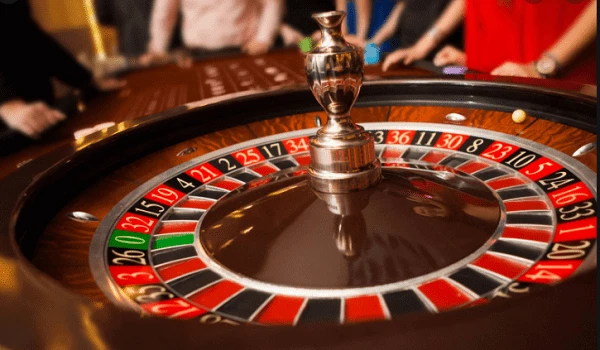
Moreover, the placement of high-stakes games near the entrance draws attention and lures players in with the thrill of potential big wins. By creating a sense of excitement as soon as a guest enters, casinos can increase foot traffic and time spent on the premises. Additionally, areas that host social gatherings, such as bars and lounges, are often located near gaming zones to promote a social environment where patrons feel comfortable and encouraged to play. This multifaceted approach to layout ensures that every inch of space is optimized for engagement.
Visual cues also play a significant role in guiding players through the casino environment. Bright, flashing lights and vivid colors not only grab attention but also evoke feelings of excitement and urgency. The significant use of red and gold tones conveys a sense of wealth and luxury, further enhancing the allure of the gaming experience. Ultimately, every aspect of the layout is meticulously planned to minimize distractions and maximize the time players spend within the casino.
The Impact of Lighting and Sound
Lighting and sound are two of the most influential aspects in casino design, deliberately crafted to control the atmosphere and enhance the overall experience. Casinos often employ low, warm lighting to create an inviting and intimate ambiance, which encourages players to relax and stay longer. By avoiding natural light and windows, casinos remove any cues that might remind guests of time passing or the outside world, further immersing them in the gaming experience.
Sound, too, plays a crucial role in the psychological landscape of a casino. The sounds of clinking coins, the jingling of slot machines, and the constant chatter of excited players create an auditory environment that promotes further engagement. These sounds are carefully curated to build excitement and evoke positive emotions. Moreover, the use of upbeat music can energize guests, making them more likely to keep playing. In essence, the combination of carefully designed lighting and acoustics works synergistically to enhance the emotional high associated with gambling.
Certain areas may have distinct sound and lighting strategies tailored to different demographics, like high rollers vs. casual players. High-stakes zones often feature plush, quieter areas with softer lighting to create an exclusive environment, while the main gaming floor buzzes with louder sounds and bright lights to evoke excitement. This tailored auditory and visual experience not only pleases the senses but also keeps players in a heightened emotional state, making it easier for casinos to encourage greater spending.
The Role of Color Psychology
Color psychology is another crucial element in casino design that can have profound effects on a player’s emotions and decision-making processes. Casinos often use colors like red, green, and gold, each chosen for their specific psychological associations. Red, for example, is known to evoke feelings of excitement and urgency, which can encourage players to make impulsive decisions. Meanwhile, green is often associated with luck and prosperity, making it a popular choice near gaming tables.
The strategic use of color can also influence the duration of stay within the casino. Warmer colors can create an atmosphere of comfort and relaxation, making patrons more willing to linger, while cooler tones might invoke a sense of calm that encourages thoughtful decision-making. The right color combinations not only enhance aesthetics but also serve to influence the emotional state of players, guiding their actions while creating a specific mood conducive to prolonged gaming.
Additionally, the psychology behind color extends to branding and signage within the casino. Well-placed colors can attract attention to particular promotions or games, while reinforcing the casino’s overall identity. This creates a cohesive experience where every visual component works together to enhance the guest experience and encourage longer play times. In this way, color psychology becomes an integral part of the broader strategy of casino design, impacting everything from foot traffic to gambling behavior.
The Influence of Space and Comfort
The physical comfort and spatial arrangement within a casino play a crucial role in shaping the gaming experience. Large, open spaces filled with comfortable seating encourage patrons to settle in and participate for extended periods. Casinos often incorporate plush chairs and lounges that invite relaxation, making it easier for players to enjoy long gaming sessions without feeling fatigued. This comfort is paramount in keeping players engaged, as discomfort can drive them to leave the casino sooner than desired.
Moreover, the allocation of space can dictate the flow of player traffic. Creating a balance between busy gaming zones and more subdued areas ensures that patrons can choose environments that fit their mood. For example, quieter corners may attract guests looking to focus on more strategic games, while vibrant sections filled with slot machines engage those seeking fast-paced excitement. The successful management of these spaces ensures a variety of experiences can be enjoyed, creating a tailored environment for every visitor.
Additionally, casinos often include amenities like restrooms, food stations, and bars that are easily accessible, promoting convenience and keeping players on-site. By minimizing the need for guests to leave the gaming area, casinos can sustain their engagement and maximize their spending. Each element of spatial design, from seating arrangements to the strategic placement of activities, is carefully planned to cultivate an atmosphere that encourages gaming and social interaction.
Exploring More on Casino Design Psychology
For those looking to delve deeper into the fascinating world of casino design psychology, various resources are available that provide valuable insights into this intricate subject. Comprehensive studies and articles explore the myriad techniques employed in the gaming industry, shedding light on the strategies that have been most effective in maximizing player engagement and satisfaction. Understanding these underlying principles can offer a unique perspective on the gaming experience.
Websites dedicated to casino research often feature interviews with industry experts, case studies, and analyses of emerging trends in design. These insights can help both casual players and industry professionals comprehend how physical spaces can significantly influence gambling behavior and decision-making processes. Furthermore, engaging with such content can empower visitors to make more informed choices about where and how they enjoy their gaming experience.
In conclusion, the psychology behind casino designs is a multifaceted and intriguing field that combines elements of behavioral psychology, design theory, and marketing. By exploring the various strategies employed in the casino landscape, one can gain an appreciation for how these establishments create environments that are not only visually appealing but also strategically crafted for maximum engagement and excitement. As this field continues to evolve, the interplay between design and psychology will undoubtedly remain pivotal in shaping the future of gaming experiences.